
The Price of Entry Is Curiosity: Why how we enter matters more than we think
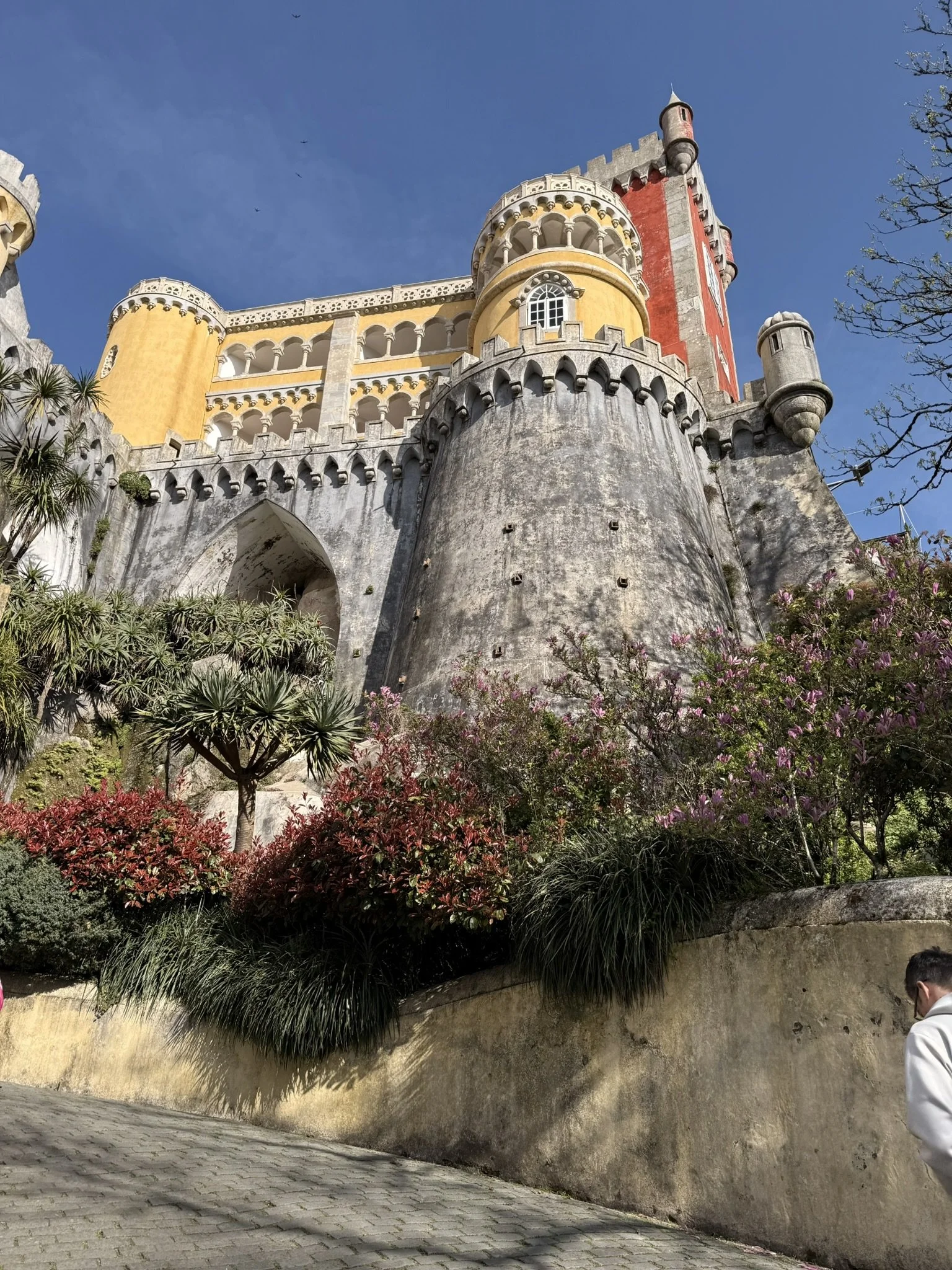
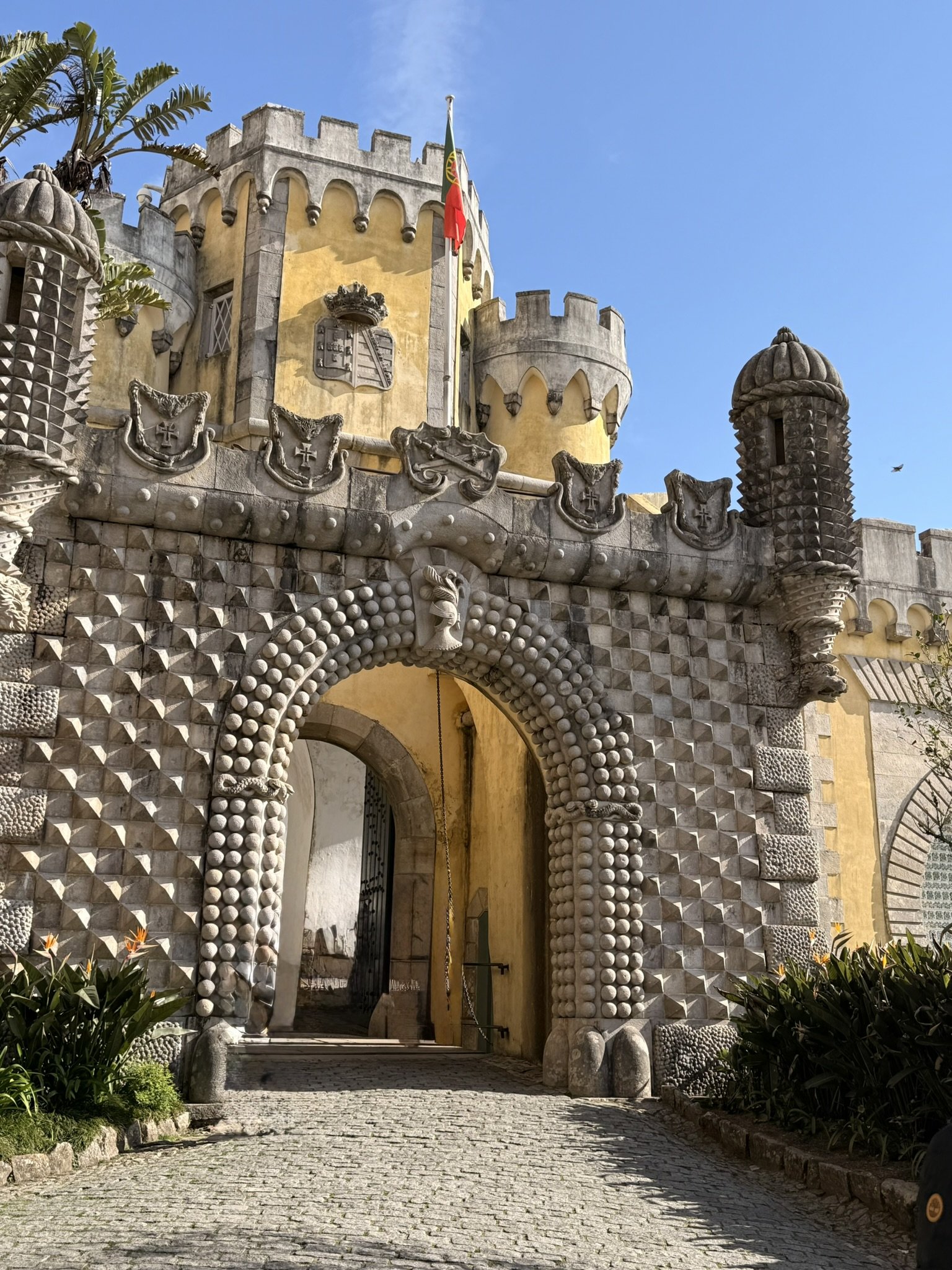
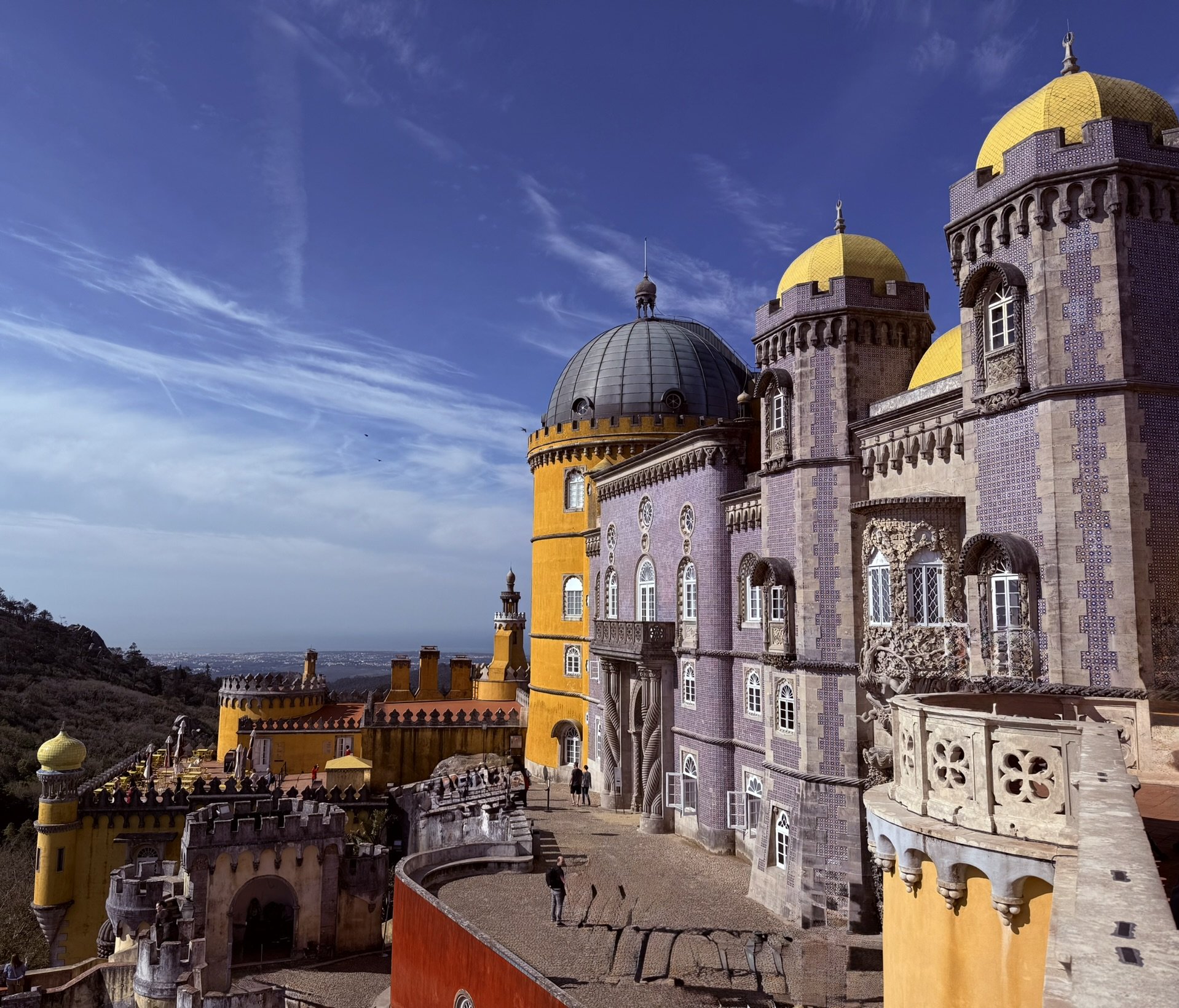
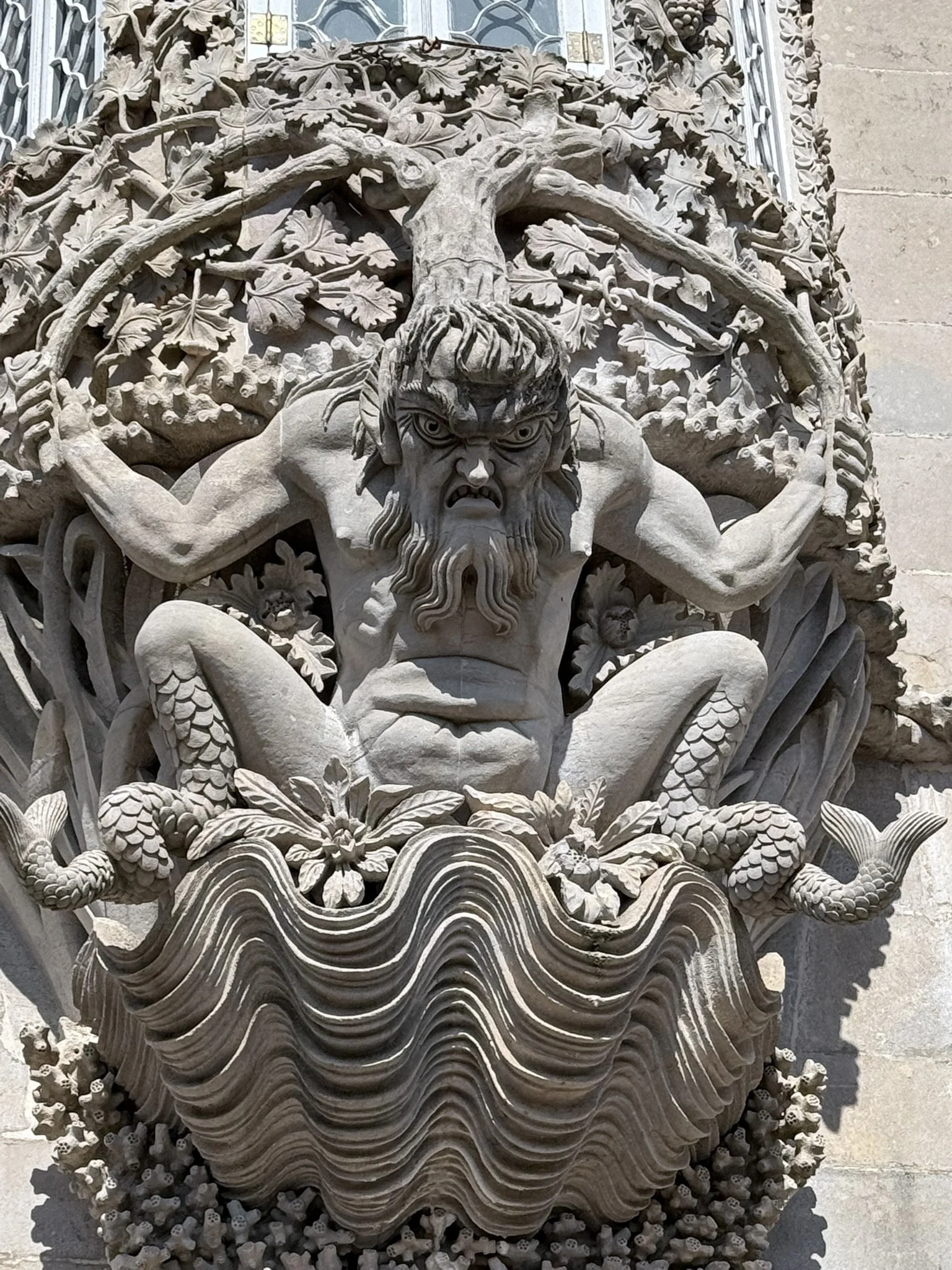
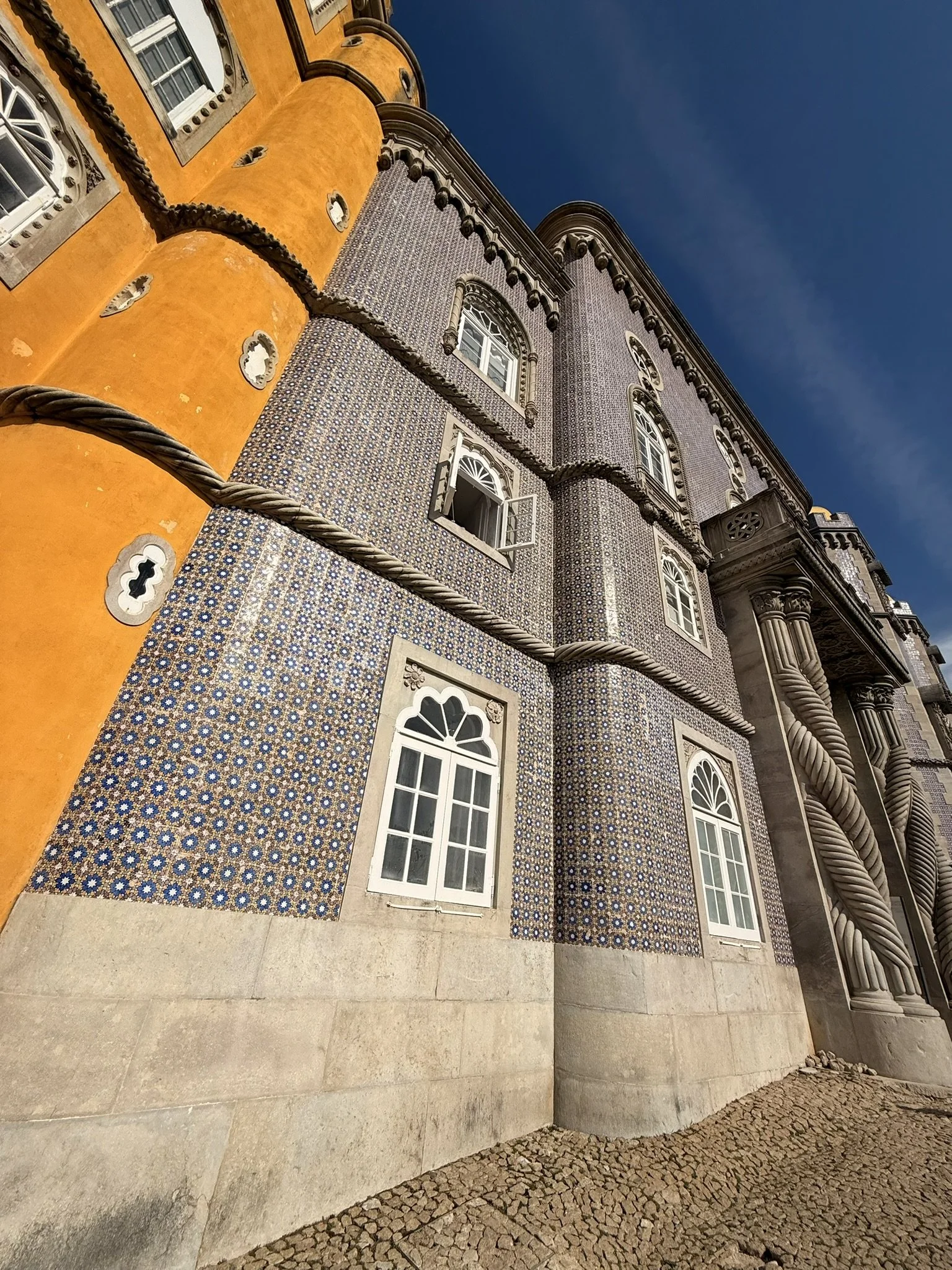
In March I had the opportunity to visit Lisbon, and took a day trip to check out a beautiful palace in the nearby town of Sintra, Portugal. Perched above the hills of Sintra, Pena Palace does not ease you in gently. It makes an impression immediately, bold colors, unexpected shapes, and a structure that seems to resist any single explanation. Built in the mid-19th century and completed around 1854 under King Ferdinand II of Portugal, it reflects a vision that was far from typical for its time.
But what struck me most was not just how it looks. It was what it seems to ask of you before you even step inside.
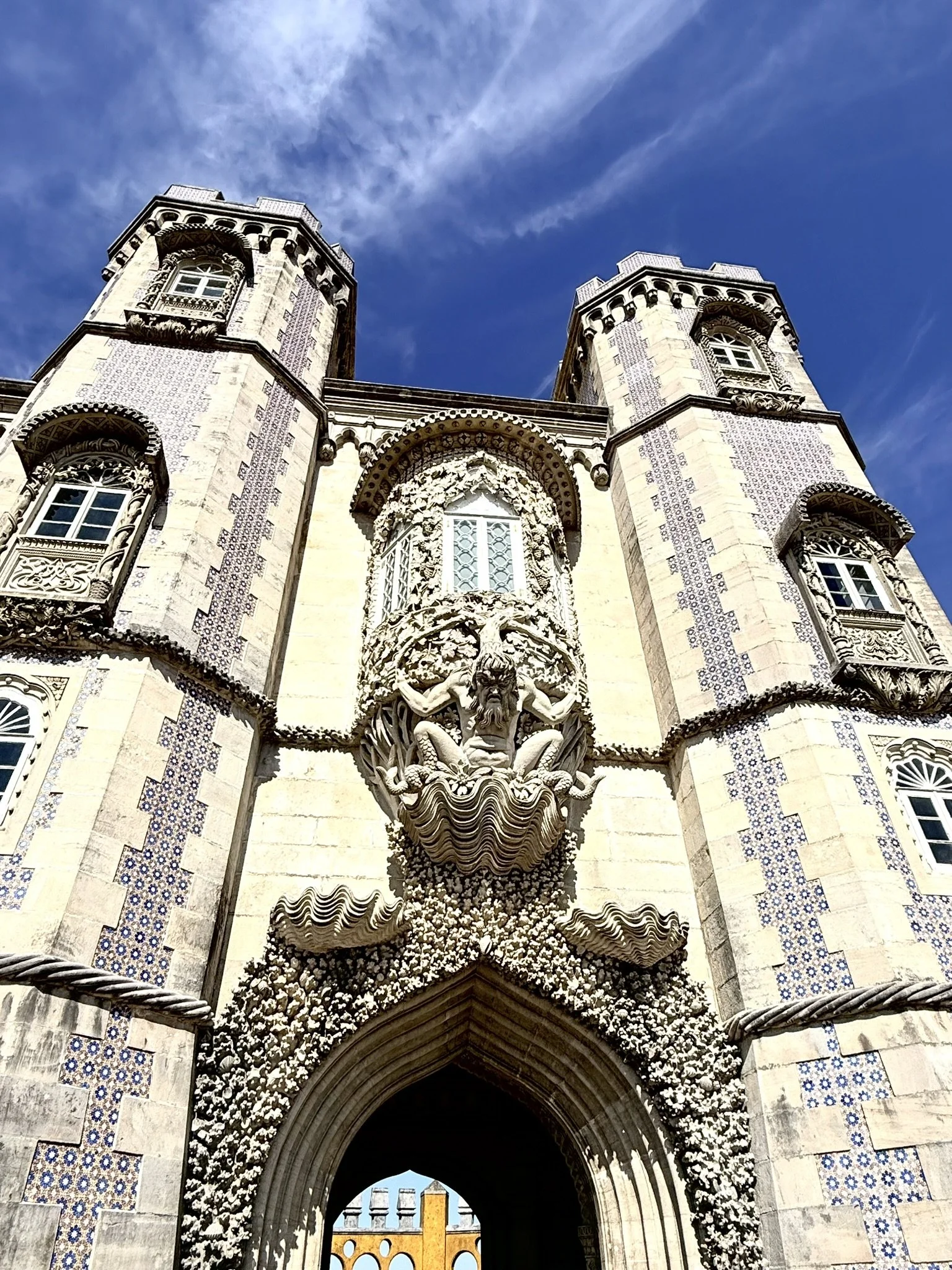
At one of the entrances, the Triton arch holds a striking figure, part human, part sea creature, emerging from the structure itself. It is often understood as a symbol of transition between worlds, between what is known and what is not. It feels intentional, almost like a threshold you are meant to notice.
It is not just decoration. It is a message.
If you are going to enter this space, you need to be willing to let go of your expectations.
That idea feels especially significant when you consider the time period. In the 1800s, leadership and power were closely tied to order, control, and tradition. There were clear norms about what things should look like and how they should function. And yet Ferdinand, often called the Artist King, created something that challenged all of that.
The palace is layered with different architectural styles and influences, but rather than feeling chaotic, it feels intentional in its refusal to conform. It does not try to make itself easily understood. It invites you to slow down, to look more closely, to sit with what does not immediately make sense.
And that is where the lesson started to land for me.
Because how often do we enter new spaces, new partnerships, or new communities already believing we understand what we are walking into.
We carry our experiences, our frameworks, our definitions of what works. We look for familiar patterns. We try to quickly make sense of things so we can act. And while that instinct is understandable, it can also close us off to what is actually in front of us.
What if, instead, we approached those moments the way Pena Palace seems to ask us to.
Not with the urgency to define, but with the willingness to observe.
Not with assumptions, but with curiosity.
Not with answers, but with questions.
The symbolism at the entrance feels like a quiet but firm reminder that stepping into something new is not just about crossing a physical threshold. It is about shifting your mindset.
An open mind is not passive. It is active. It requires effort to notice when we are defaulting to what we already believe. It requires restraint to pause before jumping to conclusions. It requires humility to recognize that our perspective is always incomplete.
And it requires trust that understanding will come, but not always immediately.
In leadership, this matters more than we often acknowledge.
When we enter into partnerships, especially across different sectors, communities, or lived experiences, the quality of what we build is shaped early on by how we show up. If we come in with fixed ideas about what the challenges are or what the solutions should be, we may unintentionally limit what is possible. We may miss the nuance. We may overlook the insight that is already present.
But when we come in with genuine openness, we create space for something different.
We create space to listen more deeply.
We create space for others to shape the direction.
We create space for solutions that are more grounded, more relevant, and ultimately more effective.
Standing in front of Pena Palace, it is easy to focus on how unusual it is, how different it feels from what we might expect a royal residence to be. But what stayed with me was not just its boldness. It was the way it seemed to set a condition for entry.
Be open.
Be curious.
Be willing to see beyond what you already know.
Sometimes the most important shift in leadership is not what we do once we are inside the room. It is how we choose to enter it.
